Apr 10, 2026
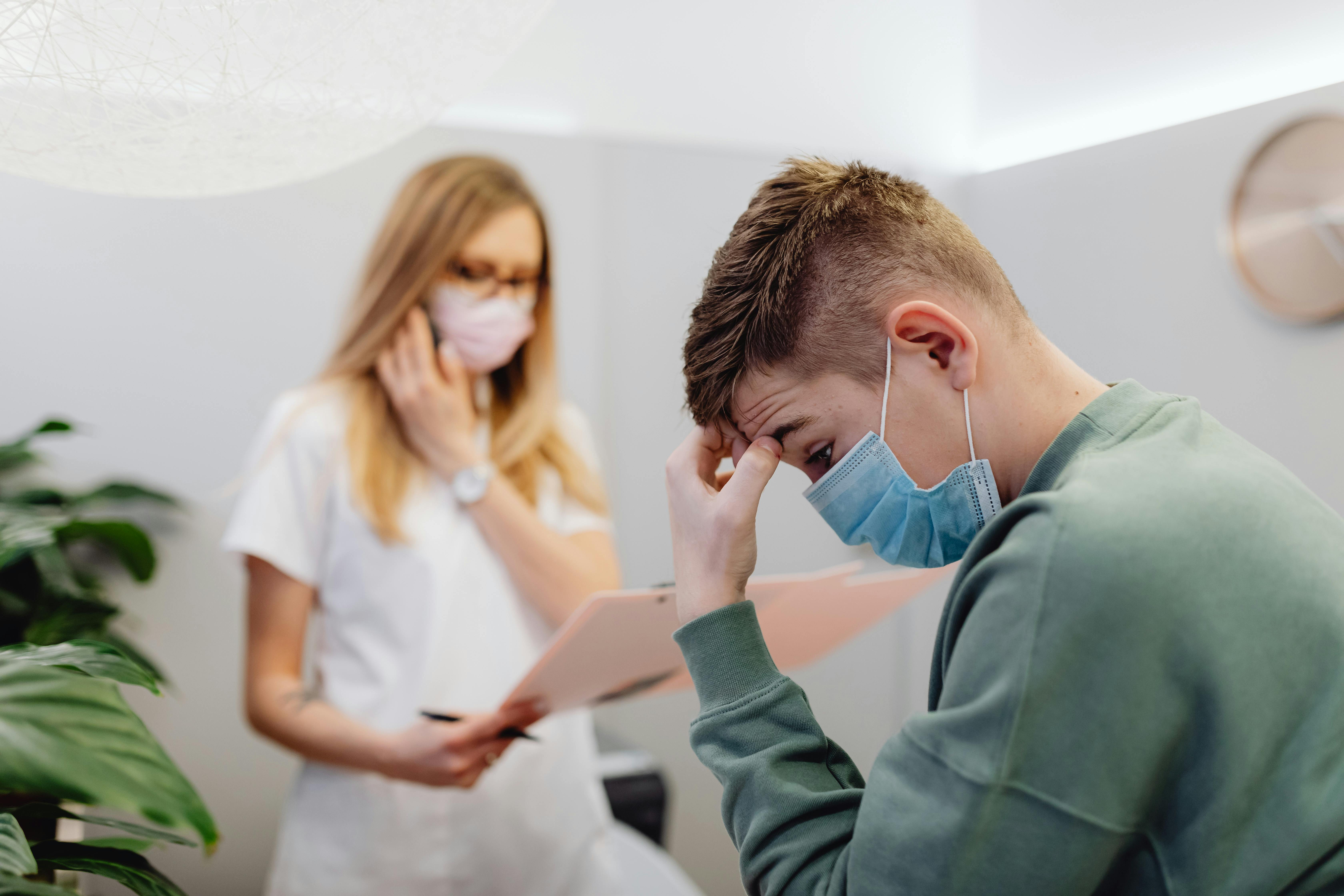
The Growing Importance of Mental Health Nursing Care in Qatar
Mental health awareness is rising in Qatar. Learn how professional nursing care supports mental wellness, manages anxiet...
Read More
Diabetes affects a significant portion of Qatar's population, making effective home management essential. With the right knowledge and professional support, patients can maintain excellent blood sugar control and lead fulfilling lives.
Regular monitoring is the cornerstone of diabetes management. Fasting blood sugar should be between 80-130 mg/dL, and post-meal readings should be below 180 mg/dL. Keep a log of your readings — this helps your healthcare team adjust your treatment plan.
Take medications at the same time daily. If you use insulin, rotate injection sites, store insulin properly (most types need refrigeration), and learn to recognize signs of both high and low blood sugar. A home nurse can assist with insulin administration and teach proper technique.
Work with your healthcare team to create a meal plan that fits your lifestyle. Focus on whole grains, lean proteins, vegetables, and healthy fats. Be mindful of portion sizes with rice and bread — staples in Qatari cuisine. During Ramadan, work with your doctor to adjust medication timing.
Aim for at least 150 minutes of moderate activity per week. Walking in Qatar's air-conditioned malls during hot months is an excellent option. Always check blood sugar before and after exercise, and carry a fast-acting glucose source.
Inspect feet daily for cuts, blisters, or changes. Wear comfortable, well-fitting shoes. Never walk barefoot. A home nurse can perform regular foot assessments and help manage any wounds before they become serious.
Seek immediate medical attention for blood sugar above 300 mg/dL, signs of diabetic ketoacidosis (nausea, excessive thirst, confusion), or any wound that isn't healing. Having a professional home nurse ensures these warning signs are caught early.
Professional home nurses provide regular blood sugar monitoring, medication management, wound care, dietary guidance, and patient education. They serve as a vital link between patients and their endocrinologists, ensuring optimal disease management.
Mental health awareness is rising in Qatar. Learn how professional nursing care supports mental wellness, manages anxiet...
Read More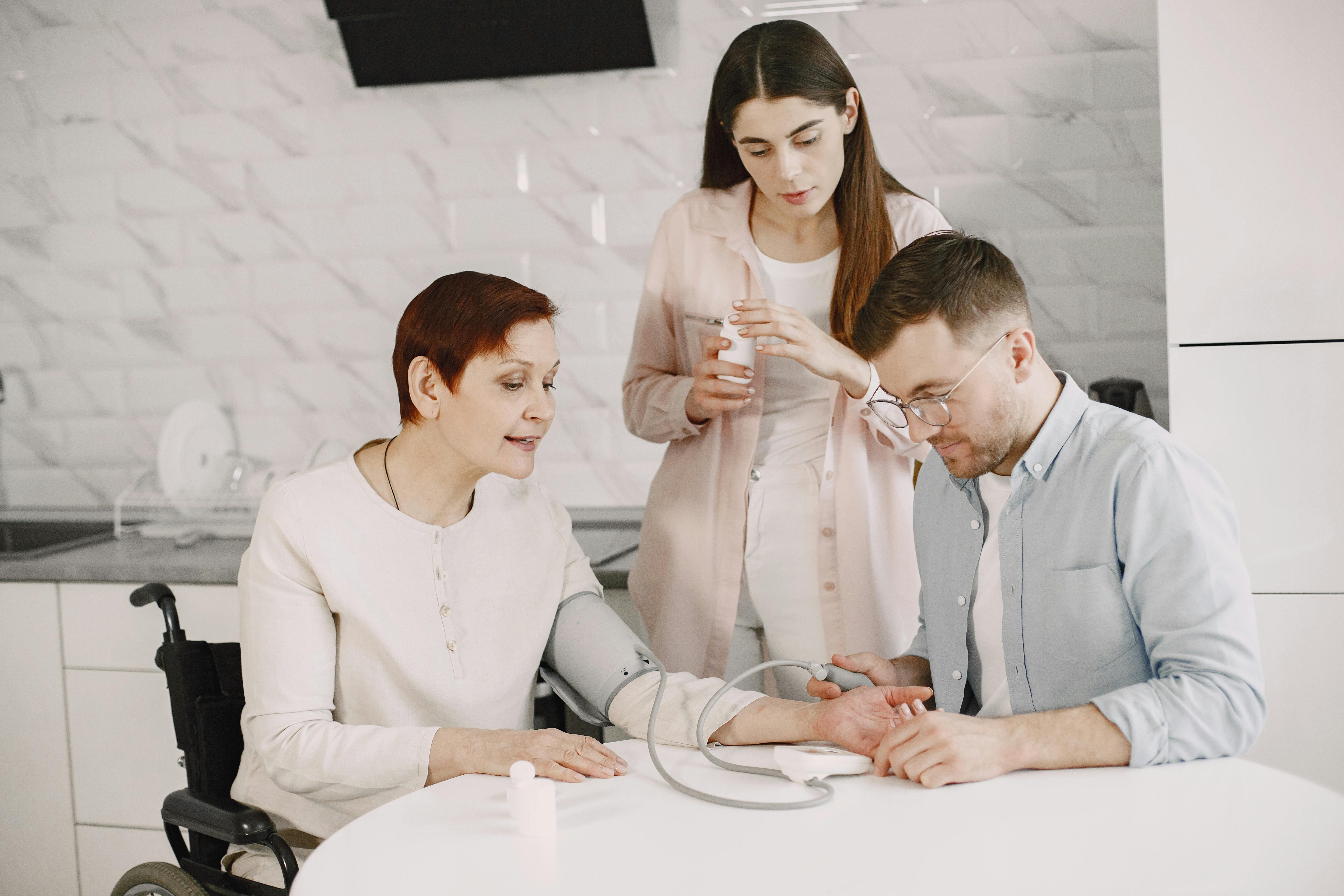
Not all nursing agencies are the same. Learn the key factors to consider when selecting a home nursing company in Qatar,...
Read More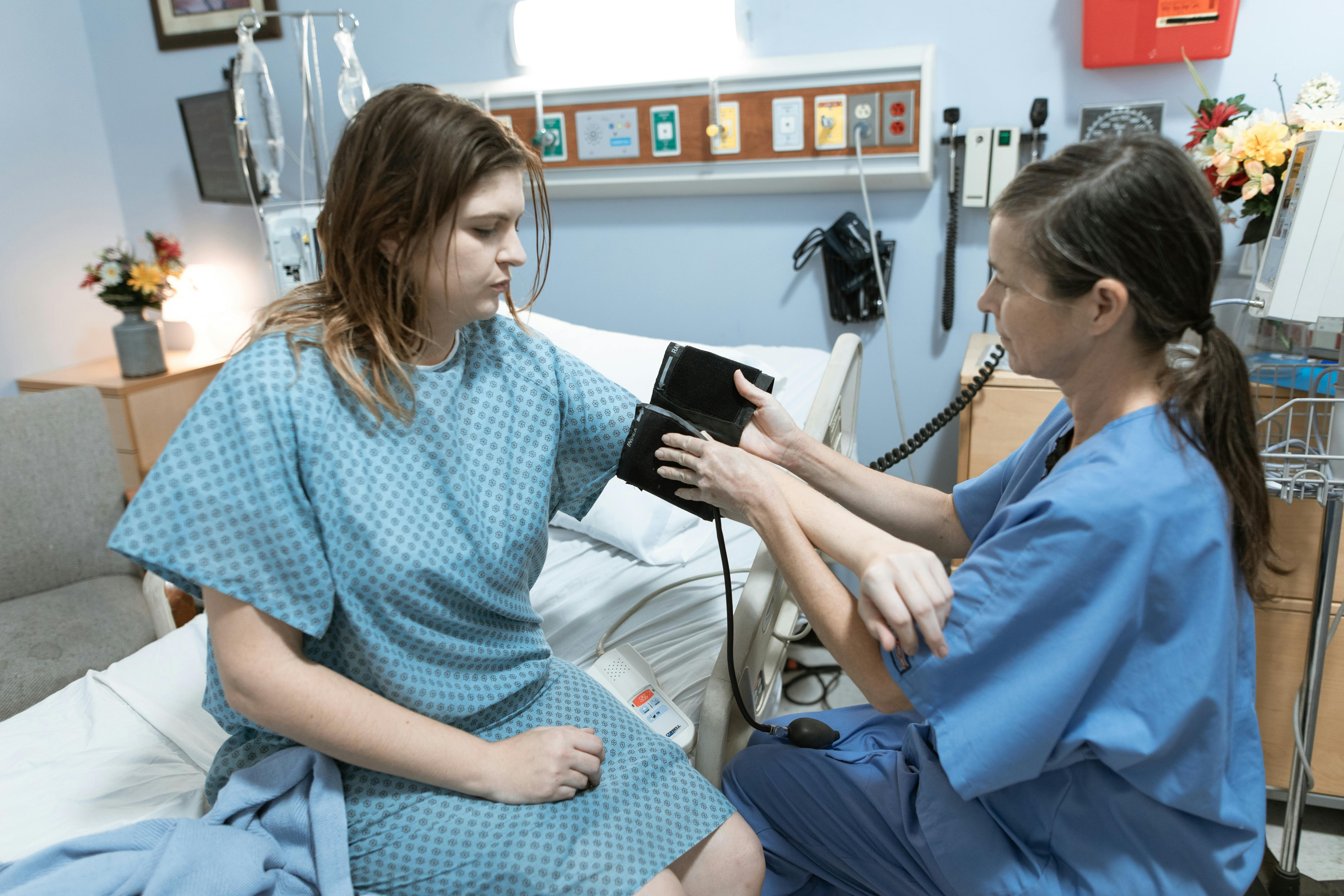
Recovering from surgery at home in Qatar? Learn how professional home nursing care accelerates healing, prevents complic...
Read More